The Role of Progressive Movements in Shaping Modern Democracy
Progressive movements have played a pivotal role in shaping the evolution of modern democracy, advocating for social justice, equality, and political reform. A progressive movements have been instrumental in shaping the landscape of modern democracy. It has played a transformative role in shaping modern democracy, championing social justice, advancing political reform, and fostering grassroots mobilisation. By continuing to organise, mobilise, and advocate for change, progressives can build upon their past achievements and contribute to the ongoing evolution of democracy in the pursuit of a more just, equitable, and inclusive society.
Championing Social Justice
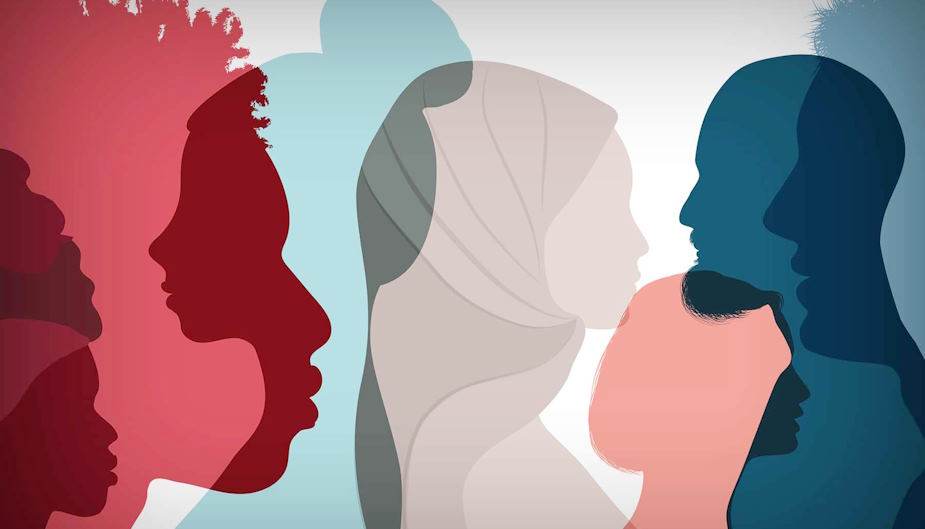
By amplifying the voices of marginalised communities and advocating for policies that promote inclusivity and fairness, progressive movements have expanded the boundaries of democracy and advanced the realisation of rights for all citizens.
Advancing Political Reform
Progressive movements have been instrumental in catalysing political reform and expanding democratic participation. Throughout history, they have championed initiatives such as suffrage rights for women, the evolution of democracy owes much to the efforts of progressive groups and campaign finance reform. By challenging entrenched power structures and advocating for institutional changes, progressives have sought to democratise political processes and ensure that the government is accountable to the people. In doing so, they have helped to strengthen the foundations of democracy and foster a more responsive and representative political system.
Fostering Grassroots Mobilization
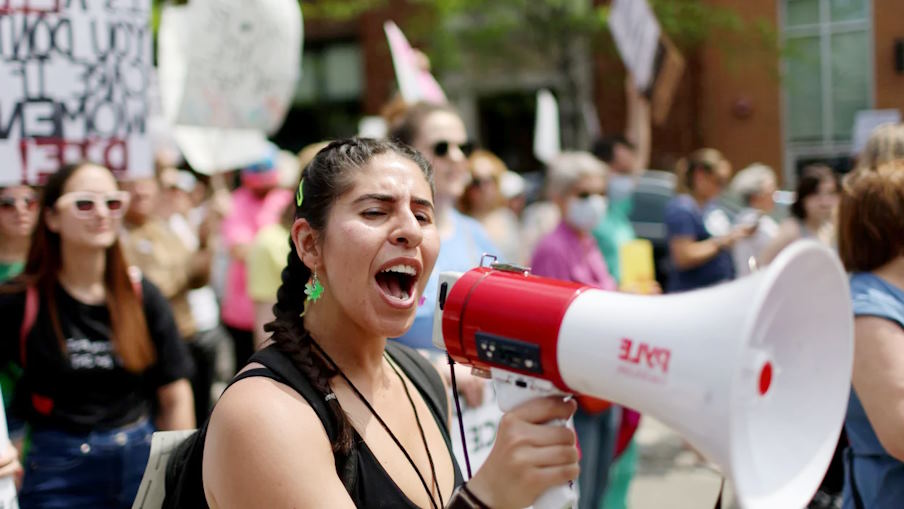
A defining feature of progressive movements is their grassroots mobilisation and bottom-up approach to social change. Grassroots activism empowers individuals to collectively challenge injustice and hold institutions accountable, fostering a culture of civic engagement and participatory democracy. In an era of increasing polarisation and political apathy, the shaping of modern democracy has been a collaborative effort involving progressive voices that serve as a powerful antidote, revitalising democratic principles and fostering a sense of collective agency among citizens.
Navigating Challenges and Resistance
Despite their achievements, progressive movements face numerous challenges and obstacles in their quest for social and political change. Opposition from vested interests, political backlash, and institutional inertia often impede progress and require perseverance and strategic adaptation. Moreover, internal divisions and ideological differences within progressive movements can hinder unity and cohesion, necessitating efforts to build coalitions and bridge divides. Navigating these challenges requires resilience, creativity, and a steadfast commitment to the principles of democracy and social justice.
Progressive media outlets, in particular, have emerged as influential platforms for advocating social change, challenging mainstream narratives, and amplifying marginalised voices. Increasing polarisation and media fragmentation, progressive media outlets play a vital role in shaping public opinion, challenging mainstream narratives, and driving social and political change. By examining the impact […]
Political activism movements have long been at the forefront of driving social and political change, advocating for justice, equality, and human rights. However, the effectiveness and impact of these movements are greatly enhanced when they embrace diversity and inclusivity. Diversity is essential for the effectiveness and amplifying voices through inclusive […]
The intersectionality of social justice movements reflects the interconnected nature of oppression and the importance of inclusive approaches to activism. However, these movements are not isolated entities; they intersect and overlap in complex ways, forming a network of activism that amplifies their impact. Understanding the intersectionality of social justice movements […]